- Contact 0870 350 7767
- |
- Advertise

Thermal Imaging Camera
You currently have (0) companies added to your enquiry list. To add companies, click the 'Enquire' button on each listing.
-
11Years WithBusinessmagnet
- Products meet national / international standards
- Professional pre- and aftersales technical support
- Industrial solutions for individual requirements
- Huge product range - some of German origin
-
9Years WithBusinessmagnet
- Industrial Cameras for Machine Vision
- Stock of Laser Line Generators
- A Wide Range of Photonic Detectors
- Supplier of Scientific Instruments & Equipment
-
10Years WithBusinessmagnet
- Comprehensive technical support & breakdown
- Bespoke maintenance solutions
- Control Panel Design, Wiring & Installation
- Services including PLC, HMI & SCADA software


-
Metrum Information Storage Ltd
The Stables The Grange Centre
Finchampstead Berkshire
RG40 4EUMetrum Information Storage Ltd supply a wide range of Data Acquisition and Infrared Thermal Imaging products and services. Supplying products from manufacturers such as CorDEX, Optris, Dias, Ofil, FL...
-
Metrum Information Storage Ltd
Oxford Street
Nottingham Nottinghamshire
NG10 1JRSupplier of Infrared Thermal Imaging cameras
-
P Stevenson Electrical
28 Holtdale Green
Leeds West Yorkshire
LS16 7RRP Stevenson Electrical specialize in the application of control systems, instrumentation, and machinery. Contact us.
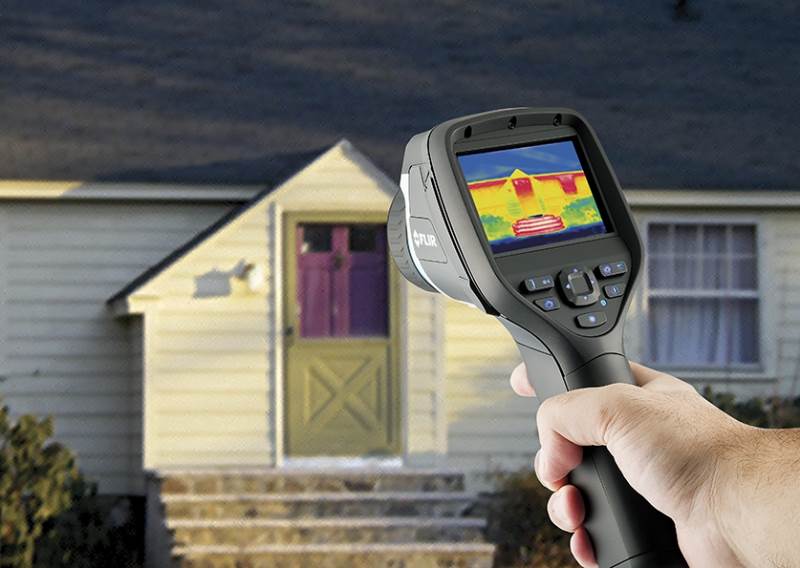
FLIR Thermal Imaging Camera
Related Businesses
-

-

Thermal Breaks
By AK Rubber & Industrial Supplies Ltd (Thermal Breaks)
Located in Bishop's Stortford , Hertfordshire
-

-

-