|
|
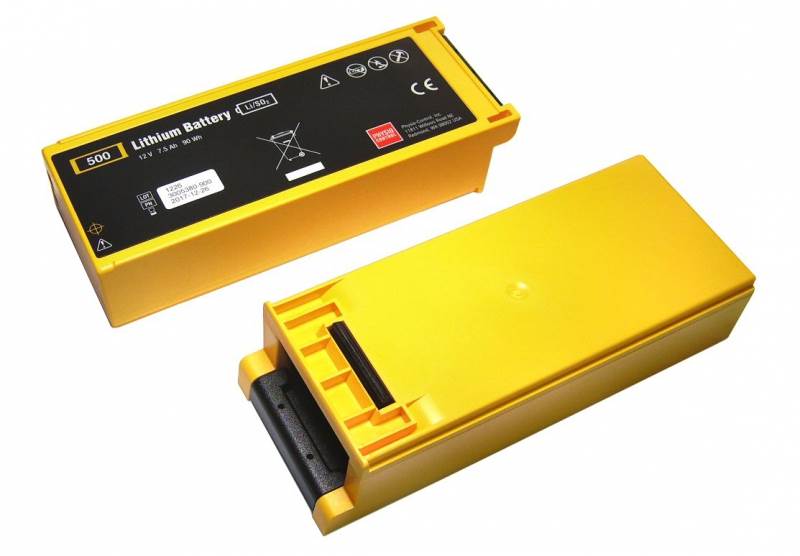
Lithium Battery
Lithium batteries are batteries that are disposable, they contain lithium metal or lithium compounds as the anode. These batteries can produce voltages from 1.5 v to 3.7 v depending on the design and compounds used. This is twice the voltage of an alkaline or zinc carbon battery. They are now widely used in products such as portable consumer electronic devices. The most common type of consumer lithium battery uses metallic lithium as an anode and manganese dioxide as the cathode, with salt of lithium dissolved in an organic salt. A larger density type of lithium cell is the lithium-thionyl chloride cell. These batteries are not usually sold to the public and they are found mainly in the industrial sector where no consumer replacement is carried out. In this type of battery the liquid mixture is thionyl chloride and lithium tetrachloroaluminate acts as the electrolyte and the cathode respectively. The cathode collector in this battery is a porous carbon material which receives electrons from the external circuit. Lithium- thionyl chloride batteries are best suited to very low current devices such as wireless systems where a long life is important.
|
|