- Contact 0870 350 7767
- |
- Advertise

Incremental Encoders
Enquire - Easily
You currently have (0) companies added to your enquiry list. To add companies, click the 'Enquire' button on each listing.
-
10Years WithBusinessmagnet
- Fast, Efficient and Friendly Service
- Radio Energie + Baumer Hubner
- Specialist Stockists and Suppliers
- UK distributors of Italsensor incremental encoders
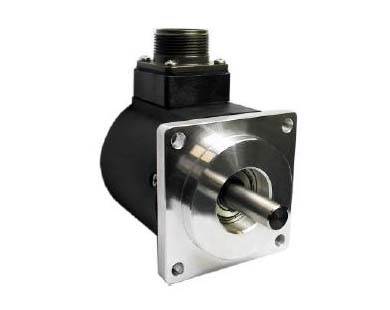
Incremental Encoders
Related Businesses
-

Incremental and Rotary Encoders Distributor
By Greenbank Machinery & Plant Ltd
Located in Hyde , Cheshire