




Peak Electromagnetics Ltd
|
At Peak
Electromagnetics we aim to resolve all of your EMC
(electromagnetic compatibility) and related issues. As a small EMC
Consultant firm based in Cheshire, North West, we pride ourselves in being flexible and responsive
to customer needs. Established in 2004 to serve the defence,
aerospace, commercial and oil sectors, we have satisfied many and
diverse customers over the years. From the small tasks, such as
identifying a noise path in an ultrasonic transducer and eliminating
electrostatic discharge (ESD) from an office staircase; to much
larger projects, such as safety assessments of complex oil tools and
CE marking of a specialist measurement systems. |
| EMC Design Techniques & Remedial Countermeasures |
|
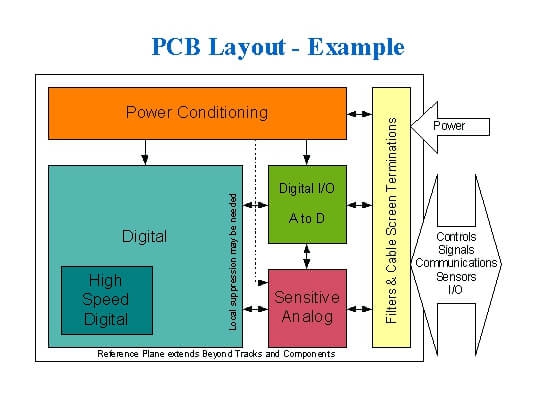
EMC is often mistaken for a test
discipline, when in fact it is a complex design regime with all
aspects of the design being critical to the EMC of a product. Being
a leading EMC Consultancy we advise clients to design EMC into a
product to ensure the most cost effective realisation of the
product. At Peak Electromagnetics we have been involved in the
development of some products from the concept stage. This way we have ensured that the best EMC practices
are embedded in the design, giving us a unique reputation as an EMC
Consultancy. |
| Oil Sector RF Safety Assessments for Detonators and their Firesets |
|
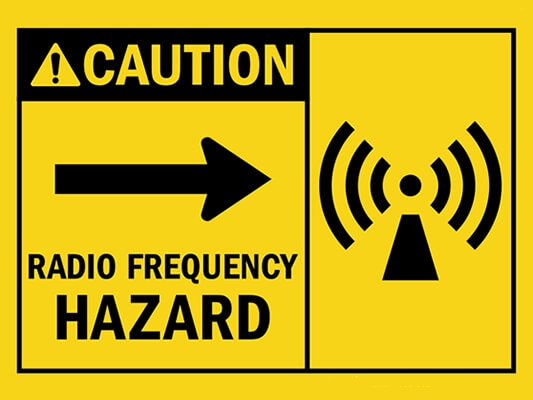
Drawing on experience in the defence sector in the field of radio hazards (RadHaz) to electro-explosives. We have been assessing the effects of radio frequency (RF) energy on down hole systems in the oil sector. These systems include perforating guns, gas cutters, plugging tools, cable cutters, detonator systems, firesets, safety subs, well tractors, surface test boxes and any other item that may be in a tool string. Over time these assessments have increased in scope to include other aspect of safety, including the impact of stray voltages, fluid ingress, lightning and ESD, and now normally incorporate a Failure Modes & Effects Analysis (FMEA). All assessments are peer reviewed. |
| EMC Test Procedures (UKAS) - Mil Std 461/462, Def Stan 59-41, AECTP 500, DO160 |
|
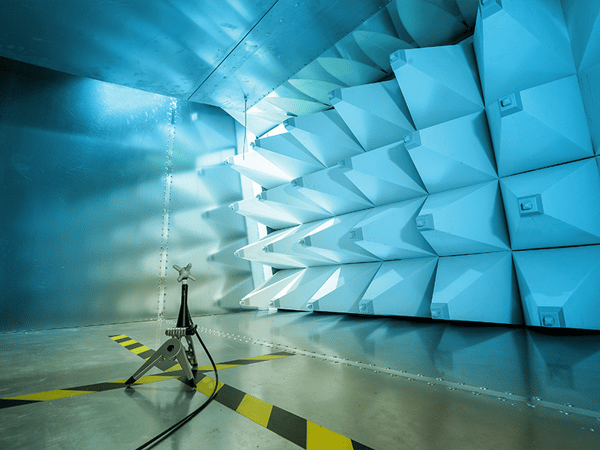
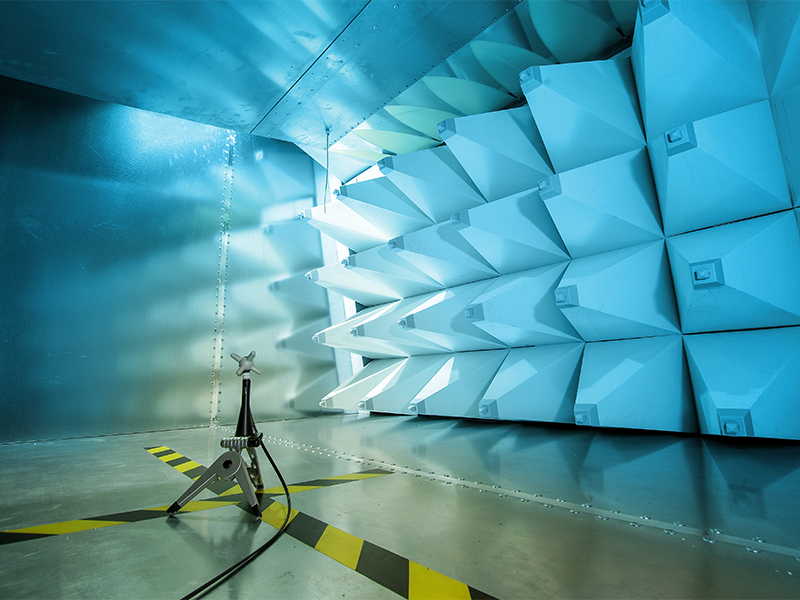
We have been involved in the UKAS accreditation of three EMC test laboratories. This experience and our good working relationship with UK assessors, leaves us in a good position to write the Test Procedures to enable a smooth accreditation of a test facility. One aspect of test procedures that often cause problems are the Measurement Uncertainty Calculations, we have a range of standard worksheets that enable these to be performed with ease. |
| Non-ionising Radiation Assessments |
|
Non-ionising radiation can be in the form of electromagnetic
radiation (radio waves), electric and magnetic fields, ranging from
0 Hz (DC) to light frequencies. Exposure to these fields can have
certain health effects, the limits of which are controlled by the
ICNIRP (International Committee for Non-Ionising Radiation
Protection) guidelines. The sources of the radiation can range from
radio/cellular transmitters and overhead power lines to MRI scanners
and welding machines. To protect both workers and the public, an
assessment of the fields from a process needs to be performed. This
may also include physical measurements. |
| CE & UKCA Marking Compliance |
|
To try and
maintain a fair market across the European Union, the Commission has
put in place a number of Directives. In the early days these were
primarily safety related, they have now broadened their scope to
other areas including EMC. The current EMC Directive (2004/108/EC)
requires an equipment manufacturer or importer to ensure adequate
EMC of their products. |
| EMC For Functional Safety |
|
Another area of EMC that is gaining prominence in recent years, is that of Functional Safety. The EMC Directive specifically excludes safety of the a product. Nevertheless there is a common misunderstanding that satisfying the EMC Directive ensures the product safety. This situation may leave a manufacturer open to prosecution, especially if an incident were to occur. Currently there are still ongoing debates on how to demonstrate EMC for Functional Safety. We at Peak Electromagnetics prefer a pragmatic risk based approach, using the techniques and procedures developed for the oil sector assessments discussed above and experience in the field of radio hazards. |
| Training |
|
Peak Electromagnetics is in the position to offer tailored and generic training in all areas of expertise. Recent training provisions have included targeted courses for mechanical engineers, a broad spectrum of experienced and graduate engineers, introductions to managers and more specialist test engineers. |
| Summary |
|
The above examples demonstrate how our broad experience can be applied to a wide range of technologies and markets. For further details on the services we offer please visit our website or call/email to discuss how we may assist you in your product development. |